No products in the basket.




Composite Decking vs Paving: Which Is Better?
Published · By Tough Decking Composite DeckingComposite decking vs paving comes down to the look and feel you want and the ground you are working with. Decking gives a warmer, softer surface underfoot, sits level with no puddles or weeds in the joints, and can be built over an existing patio or uneven ground on a frame. Paving is extremely hard-wearing and needs no frame, but it is heavy, can crack or sink over time, and grows weeds and moss between the slabs. For a raised or split-level area, or to cover a tired patio, decking usually wins. For a simple ground-level hard surface, paving is a solid choice. Here is how they compare.
It is the classic garden decision: boards or slabs. Both make a good outdoor surface, and neither is wrong, but they suit different jobs. Here is a straight composite decking vs paving comparison, covering the look, the groundwork, upkeep, cost, and where each one makes the most sense.
Composite decking vs paving: the quick verdict
If you want a warm, level, low-maintenance surface, especially over an existing patio, a slope or a raised area, composite decking is usually the better fit. If you want a rock-solid ground-level surface and do not mind the odd weed and a harder, colder feel, paving does the job well. Most of it comes down to the site and the finish you are after.
Look and feel
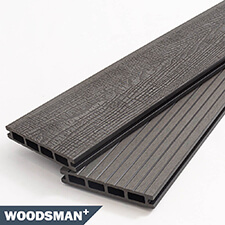
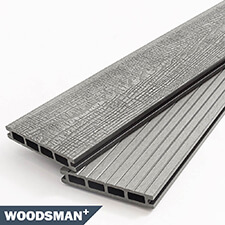
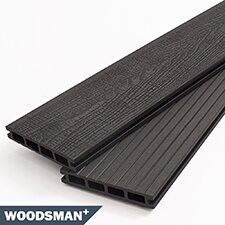
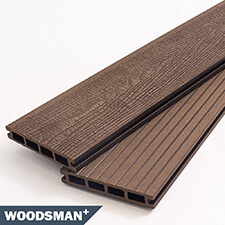
Decking gives a warmer, softer, more natural surface that is kinder underfoot and warms up faster in the sun. It reads as an outdoor room. Paving is harder and cooler underfoot and gives a more traditional patio look. Composite comes in a range of colours you can match to the house, while paving offers more in the way of pattern and texture. Largely, it is down to taste.
Installation and the ground
This is where decking has a real edge. Because it is built on a frame, decking can go straight over an existing patio, sit level across a garden that slopes, and step up to a door threshold without major groundwork. Paving needs a proper sub-base and a level, compacted bed, which is more digging and preparation, and it does not cope with slopes without steps or retaining. If your ground is awkward, decking is usually the easier answer.
Maintenance
Composite needs a wash a couple of times a year and nothing else, no weeding, no re-pointing. Paving is hard-wearing but grows weeds and moss in the joints, can stain, and slabs can lift, crack or sink as the ground moves, which means the odd repair. Neither is high-maintenance, but composite is the more hands-off of the two. Our cleaning guide covers what little composite needs.
Cost
For a simple, ground-level square, basic paving can work out cheaper to buy and lay. Once you factor in a proper sub-base, or if the ground is uneven or raised, the gap narrows and decking can come out level or ahead, because it needs less groundwork. Over the years, composite’s low upkeep and long guarantee help the sums too. Our composite decking cost guide breaks the deck side down.
Which should you choose?
When it comes to composite decking vs paving, go for composite decking if you want a warm, level, low-maintenance surface, are working over a patio or uneven ground, or want a raised or split-level area. Go for paving if you want a simple, solid ground-level surface on flat ground and you like the traditional look. Plenty of gardens use both, decking for the seating area off the house and paving for a path or a bin store. There is no wrong answer, just the right one for your space.
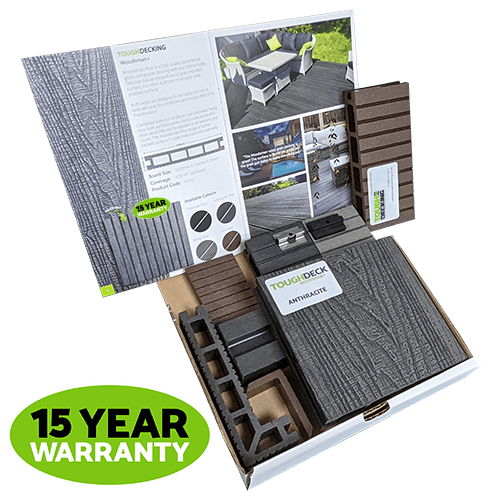
If decking sounds like your side of it, order a free sample pack to feel the boards, or see the range on our composite decking boards page. Give us a call with your plans and we will talk it through.