No products in the basket.


Capped vs Uncapped Composite Decking
Published · By Tough Decking Composite DeckingThe difference is a protective outer layer. Capped composite decking has a tough polymer shell bonded around the core that resists fading, staining and scratches, while uncapped board has the composite surface exposed. Capped costs a little more and holds its looks the longest. Uncapped is more affordable and, in our range, two-sided and reversible. Both of our ranges are hollow by design and carry a 15-year guarantee.
It is one of the first things people run into when they start shopping, two words, capped and uncapped, with not much explanation of what they actually mean for the deck in your garden. We sell both, so here is the straight version with no sales spin.
What is uncapped composite decking?
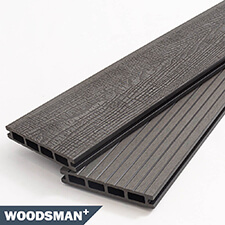
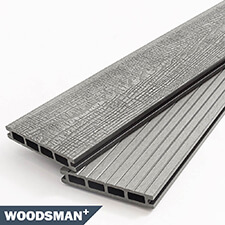
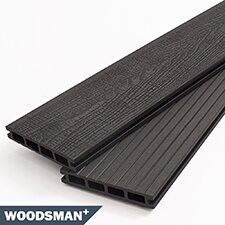
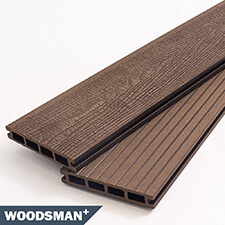
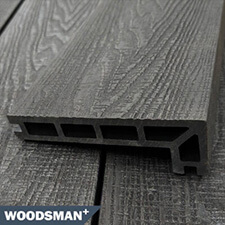
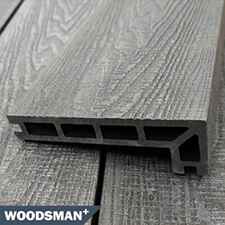
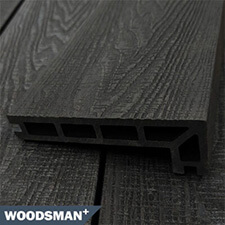
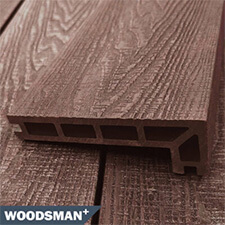
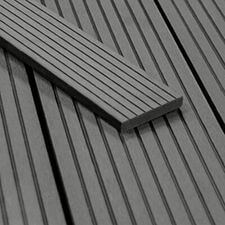
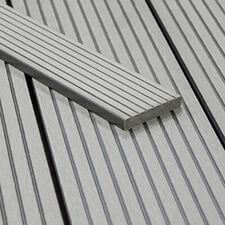
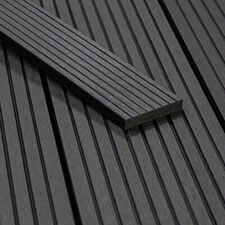
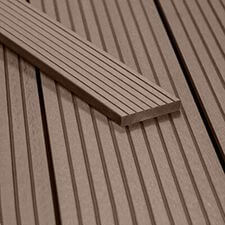
Uncapped board is composite all the way through, a mix of recycled wood and plastic, with the composite surface left exposed. It is the more affordable of the two and a very capable board for the vast majority of gardens. Our Woodsman range is uncapped, and it is two-sided and reversible, so you get a choice of texture and can simply turn a board over if one face ever gets marked. It weathers gently and evenly over time rather than staying showroom-perfect, which most people are completely happy with.
What is capped composite decking?
Capped board has the same composite core, but with a polymer shell bonded around the outside. That cap is the bit that does the work. It resists fading, shrugs off stains, takes scratches better and sheds water, because nothing is ever touching the composite directly. Our Elite range is capped. It has one finished face rather than being reversible, and it sits at the premium end, but it holds its colour and finish the longest of anything we sell.
Capped vs uncapped: how they compare
One thing worth clearing up, capping is about the outer surface, not about whether a board is hollow or solid. Both our ranges are hollow by design, which is what keeps expansion and contraction under control. The cap is a separate layer on top of that. Here is how the two stack up:
| Feature | Uncapped (Woodsman) | Capped (Elite) |
|---|---|---|
| Outer surface | Composite exposed | Bonded polymer cap |
| Fade resistance | Good, weathers evenly | Excellent, holds colour longest |
| Stain resistance | Good | Excellent |
| Sides | Two-sided and reversible | One finished face |
| Core | Hollow by design | Hollow by design |
| Price | More affordable | Premium |
| Guarantee | 15 years | 15 years |
Which one should you choose?
For most gardens, the uncapped Woodsman range is all the board you need, and the reversible face is a genuinely useful bit of insurance. It is the value choice and it does the job well. Go for the capped Elite range if you want the best fade and stain resistance and a finish that stays sharp for the long haul, for instance a deck that gets heavy use, sits near a barbecue, or one you simply want looking its best in twenty years without thinking about it. Neither is the wrong answer. It comes down to budget and how hard the deck has to work.
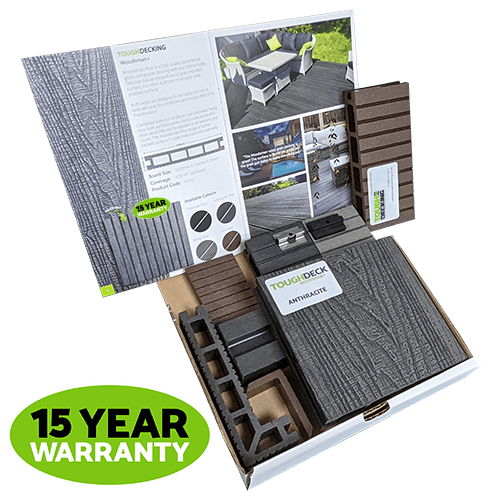
The easiest way to decide is to see them side by side. Order a free sample pack of both and leave them out in your garden for a week, through the rain and the sun, and you will quickly get a feel for which suits you. You can compare the full range on our composite decking boards page, or give us a call and we will talk you through it.